Cleaning SHC Life
/
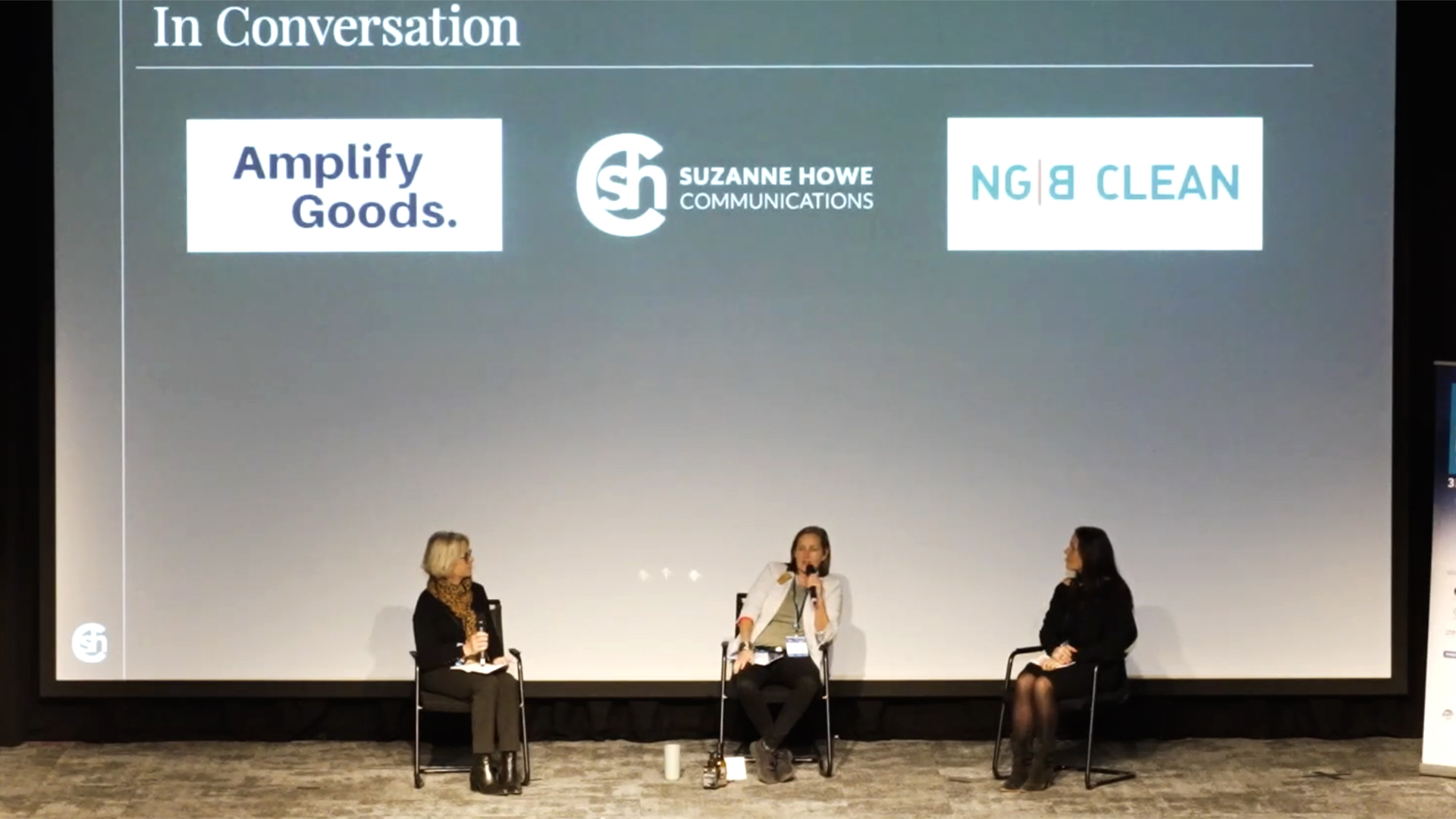
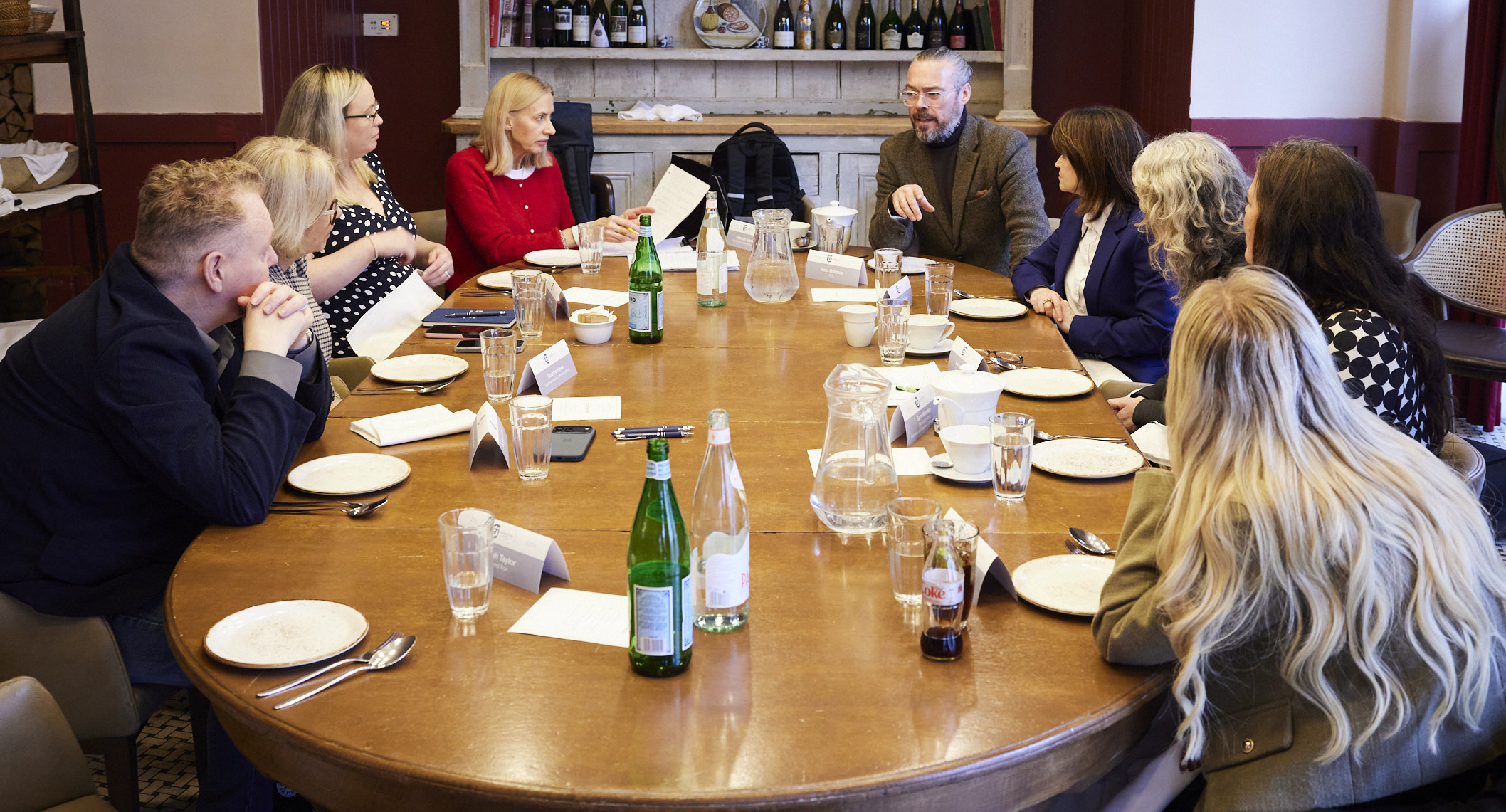
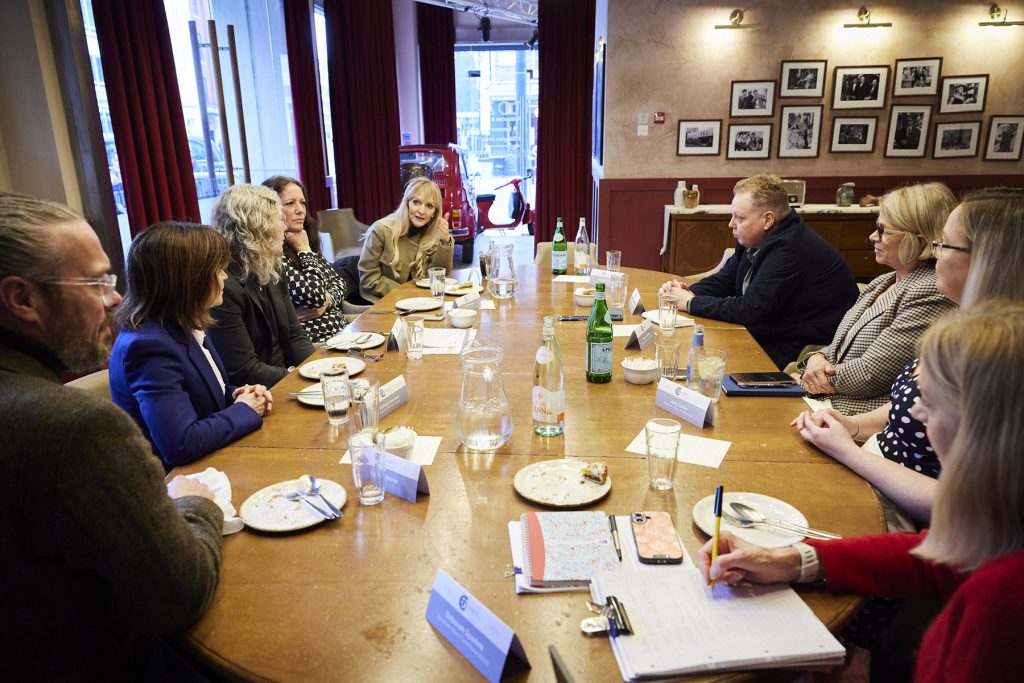
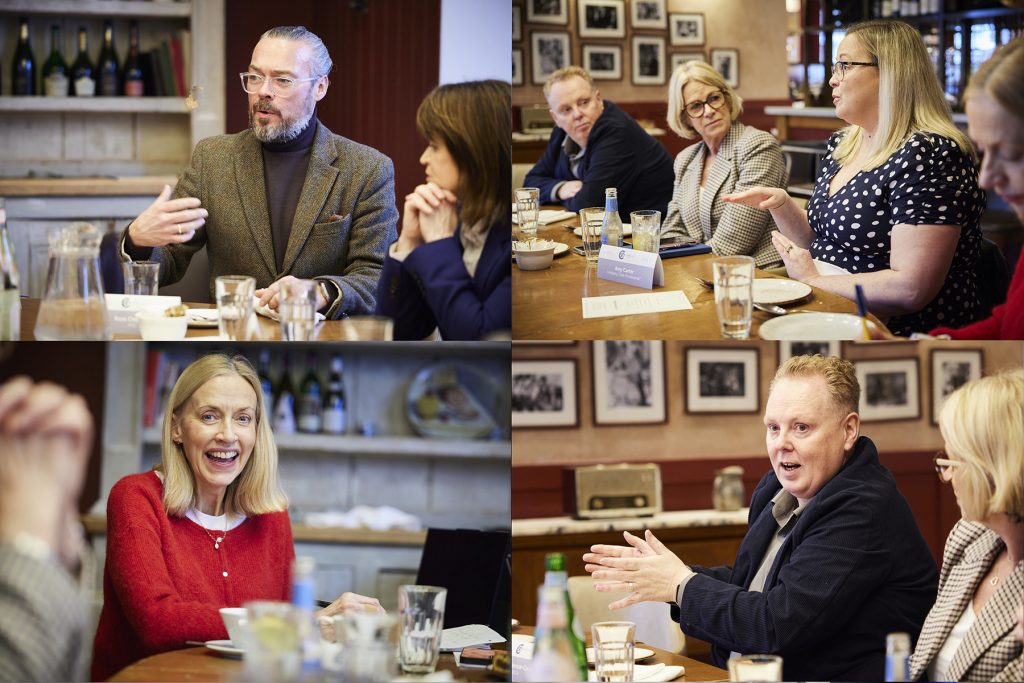
Suzanne Howe Communications (SHC) was founded in 1996, and in February 2026, as the first of SHC’s 30th birthday celebrations, we invited ten industry friends, clients and colleagues to our first ever stakeholder engagement lunch for the cleaning sector at a restaurant in London.
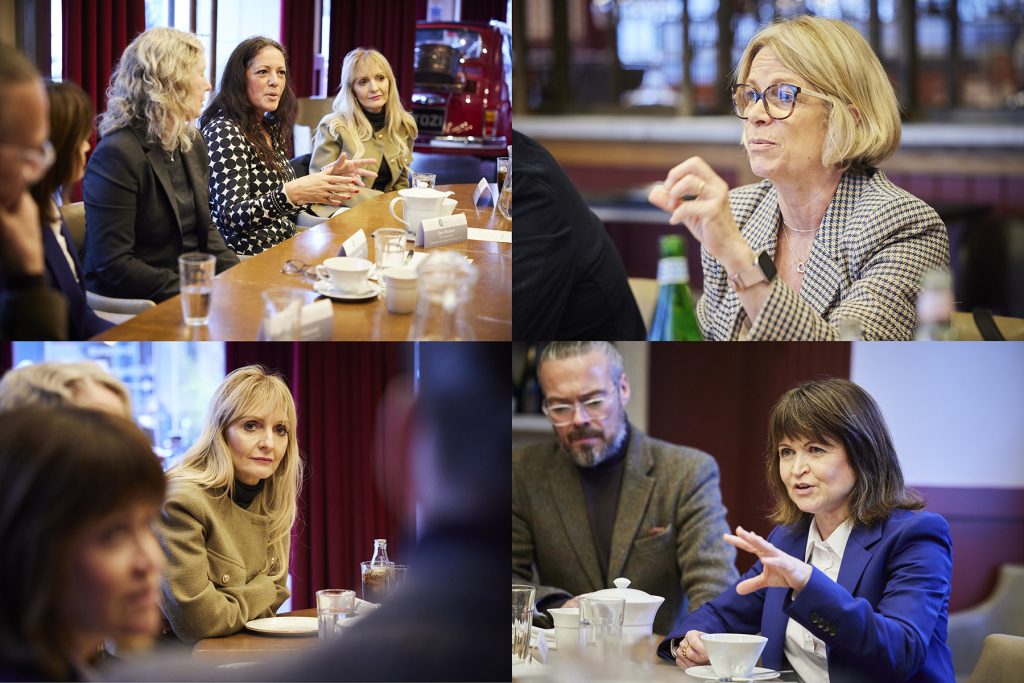
Our guests included: Ross Osbourne, MSC; Michelle Marhsall, European Cleaning Journal; Rachael Carley, Carley Coaching; Sam Worden, NGB Clean; Kate Lovell, Cleanology; Hannah Taylor, The Lens Box; Neil Spencer Cook, BICSc; Amy Carter, Kimberly-Clark Professional; and Deborah Sparkes, SHC.
The issues that were discussed were serious, but the event was relaxed and informal – with great food – and everyone that was involved loved it and found it really useful.
SHC is in the process of applying for B-Corp certification. B-Corp is an independent set of standards of social and environmental performance, accountability, and transparency. Companies who have a B-Corp certification, aim to balance profit with purpose that benefits people, communities and the planet.
So while the discussions at the stakeholder lunch focused on the trends, challenges and opportunities facing the cleaning industry, we also looked at B-Corp and its values, and how they are reflected in the cleaning sector.
Rachael Carley, SHC’s B-Corp consultant chaired the meeting, which covered questions on sharing perspectives, identifying opportunities for collaboration and gathering insight to share via a press release and social media, especially LinkedIn.
Here is a summary of the discussions…
Who are our stakeholders?
Our stakeholders include everyone involved in or affected by the cleaning and facilities sector. This includes the businesses represented at the meeting, cleaning operatives, management teams, suppliers, clients, media partners, and charitable organisations. Bringing these groups together is important because each group influences how the industry operates and how improvements in sustainability, working conditions, and social impact can be achieved.
Cleaning operatives are among the most important stakeholders. Their experiences and priorities shape the effectiveness of industry initiatives. While some organisations offer structured career pathways, many operatives are primarily concerned with earning fair pay above the minimum wage. For engagement to be meaningful, management must communicate clearly, provide training, and demonstrate how career progression opportunities can benefit them.
Organisations working across the sector, including social enterprises and suppliers, also play a role by introducing initiatives that support operatives and improve working conditions. However, lasting change depends on collaboration between all stakeholders and a stronger focus on the needs, development, and long-term career opportunities of cleaning operatives.
What would you suggest to a large organisation trying to improve cleaning operative satisfaction and what are biggest obstacles?
The discussion highlighted that improving cleaning operative satisfaction is possible but challenging, largely due to resistance to change within organisations and from individuals across the industry.
One of the most immediate and measurable ways to improve satisfaction would be to increase pay, ideally ensuring operatives are consistently paid above the minimum wage. However, organisations often struggle to balance profitability with doing the right thing for their workforce. A broader cultural shift is also needed to raise the status and recognition of cleaning operatives, whose work is demanding yet often undervalued despite its critical importance in environments such as hospitals, where cleanliness is essential.
It was noted that building managers and property owners, who are often resistant to change, play a key role in driving improvements. While the Covid-19 pandemic temporarily shifted public perception of cleaning, that change was short-lived. Many companies in the industry currently focus on areas such as security or ground maintenance, leaving cleaning undervalued. A collective effort is needed to elevate the status of cleaning operatives and improve standards across the sector.
In settings such as hospitals, cleaning operatives are often seen as the lowest-ranking staff, even though their work is critical to hygiene, cleanliness and public health. Initiatives such as the Golden Service Awards and the European Cleaning & Hygiene Awards are limited to the cleaning industry itself, and it was discussed that perhaps they should be widened to building owners and wider stakeholders could help raise the industry’s positive profile.
Research is also essential. By gathering evidence and presenting data to building owners, the industry can demonstrate the impact of high-quality cleaning and make a stronger case for investment and recognition.
What market trends should we be tracking?
Social impact has emerged as the most critical trend to track, particularly in industries where operational staff form the backbone of service delivery. Within the cleaning sector, this means placing the welfare of cleaning operatives at the forefront of strategy. While data collection on performance and social procurement has increased, the real challenge lies in translating this information into meaningful outcomes. Over-tracking without clear objectives can lead to innovation for its own sake, rather than driving genuine improvements in sustainability and social value.
Key insights from the discussion highlighted the need for accountability and tangible measurement. While approximately 80% of the cleaning industry is comprised of frontline operatives, their treatment and support is often overlooked. Initiatives that demonstrate concrete improvements – such as sustainable cleaning practices or social programs supporting staff – can create visible impact and engagement. Sharing stories of hands-on involvement, such as assisting homeless shelters, provides a powerful narrative to inspire building owners, estate managers, and public figures to participate and raise awareness.
The conversation also emphasised the importance of collaboration with industry bodies, including BICSc, BCC, CHSA, CSSA, and WCEC, to launch campaigns that promote social responsibility and operational excellence. These campaigns aim to engage key sectors such as Education, HoReCa, Facilities Management, and Retail, advocating for early consideration of social value and sustainability in property management and operations. While the property sector presents engagement challenges, strategic outreach through PR channels and targeted campaigns can help shift practices from a purely compliance-driven approach to one grounded in meaningful social impact.
In conclusion, tracking social impact, accountability, and sustainable practices represents a key market trend. Organisations that prioritise measurable improvements in workforce welfare and community engagement not only enhance operational effectiveness but also build a credible and socially responsible brand that resonates with stakeholders across the sector.

Thank you to Hannah Taylor from The Lens Box for the excellent photography.